A Care Routine for Skin with Rosacea
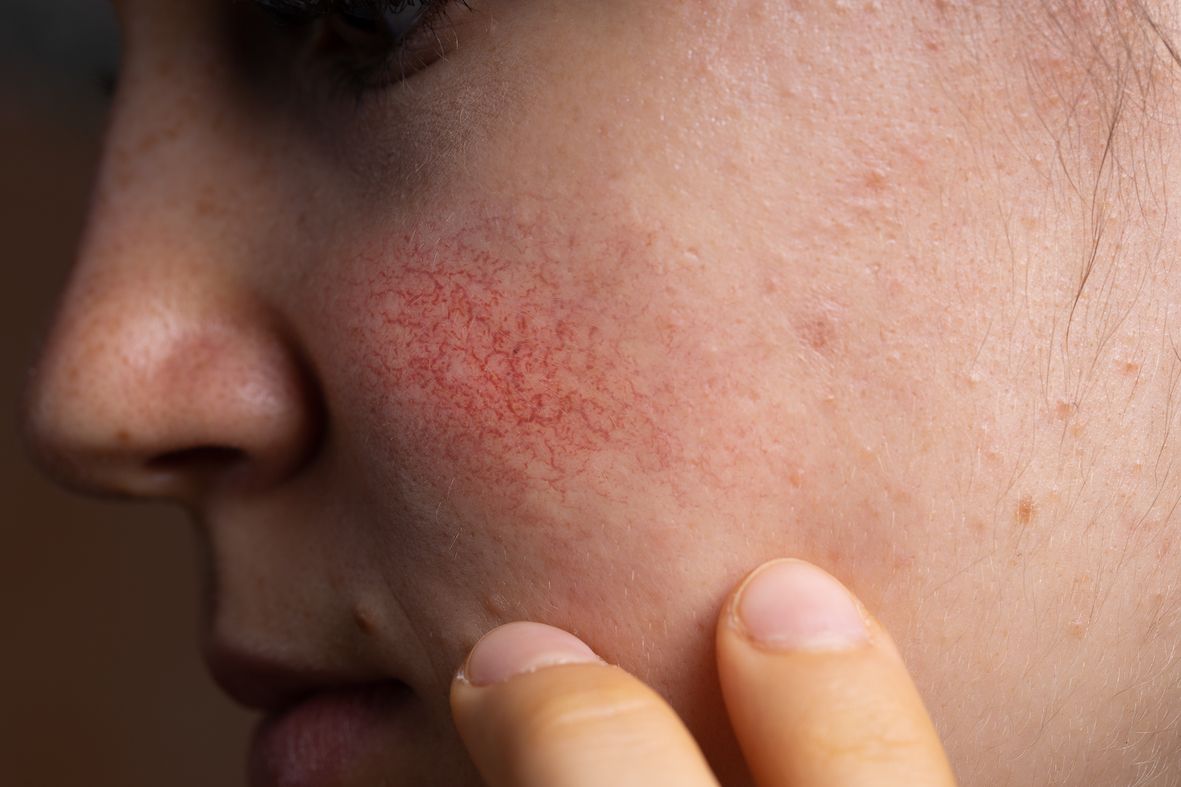
Rosacea is one of the most common and persistent skin ailments. It is a condition that causes near constant redness in areas of the face such as the nose, cheeks, forehead and chin. It can also lead to the development of small lumps and pimples in amongst the red patches if left untreated.
Rosacea tends to be something that shows up between the ages of 30 to 50, and most commonly in people with a fairer complexion. Though more common in women, it is something that can also be suffered by men (and often in more severe cases).
While the exact cause of rosacea isn’t completely known, it is generally believed that genetics plays a big part along with environmental factors. It is a chronic condition that can be triggered by a number of different things such as spicy foods, heat, direct sunlight and even stress.
Medical science has reached a stage where there are plenty of products and solid sets of advice that can help to prevent flare ups. In terms of non-medical preventative action, it is recommended that you follow these simple rules:
- Avoid exposure to direct sunlight.
- Protect your face from the extreme cold.
- Cut back on or completely avoid alcohol.
- Switch to milder cleaning products.
- Keep track of foods to see if you can identify triggers.
For a quick fix, a green makeup primer worn underneath your foundation can help to reduce or conceal the appearance of redness.
In more severe cases of rosacea that need product-related help, here is a list of recommended treatments that have been certified to help with the prevention and symptom reduction of the condition.
Vitamin C
Vitamin C serums can be of great assistance to those suffering with rosacea, as the serums help to reduce the small vessels in the skin that evoke the strong red coloring.
IS Clinical Pro-Heal Serum Advance +, packed with antioxidants from Vitamins C, E and A and olive leaf extract, this serum is formulated to improve blemish-prone, inflamed or aging skin.
SkinCeuticals Serum 10, a lightweight serum containing 10% vitamin C and ferulic acid provides an effective shield of antioxidants to protect against environmental damage and free radicals that accelerate the aging process.
Creams/Serums
Products that are applied topically to the affected areas are always going to be the quickest to achieve preventative results.
ZO Skin Health Rozatrol Normalizing Serum, mildly exfoliates to smooth out skin texture and even skin tone, reducing excess surface oil to calm sensitized skin. Boosts antioxidant protection to reduce inflammation and oxidative stress. Rehydrates skin and amino acids help restore a radiant appearance.
Dr. Suzan Obagi Retivance Skin Rejuvenating Complex, a formulation of Retinaldehyde, peptides and antioxidants is designed to improve skin texture, decrease redness and inflammation from rosacea and reduce visible signs of aging.
Avene Antirougeurs Fort Relief Concentrate For Chronic Redness, a concentrated combination of Avène Thermal Spring Water, Shea butter, Ruscus Extract and Dextran Sulfate reduces rosacea redness by increasing microcirculation and soothing irritation.
Sunscreen
As is the case with nearly all skin complaints, the first rule is always to protect your face from the UV rays of the sun at all times, no matter what season of the year you are currently in.
Bioderma Photoderm AKN Mat SPF30, offering advance protection against UVA and UVB damage, this sunscreen also improves sebum quality to keep the skin clear and healthy.
Cleanser
And finally, a good quality cleanser should be a staple of every person’s skincare routine, as it can act as the basis of a fresh face every single day washing makeup, debris and general impurities.
Dermalogica UltraCalming Cleanser, an extremely gentle face wash that promotes healing and protection for skin aggravated by environmental influences.